
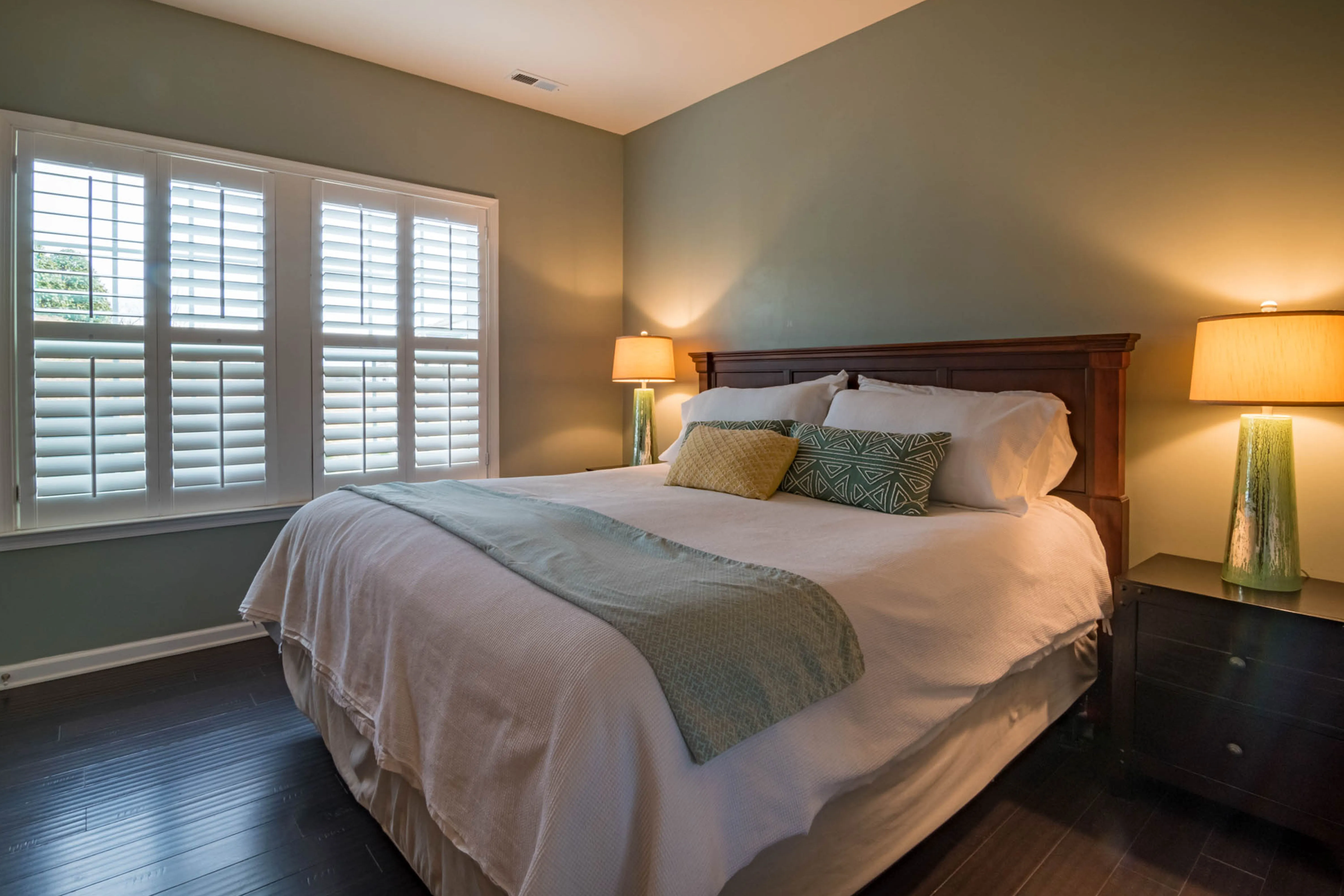
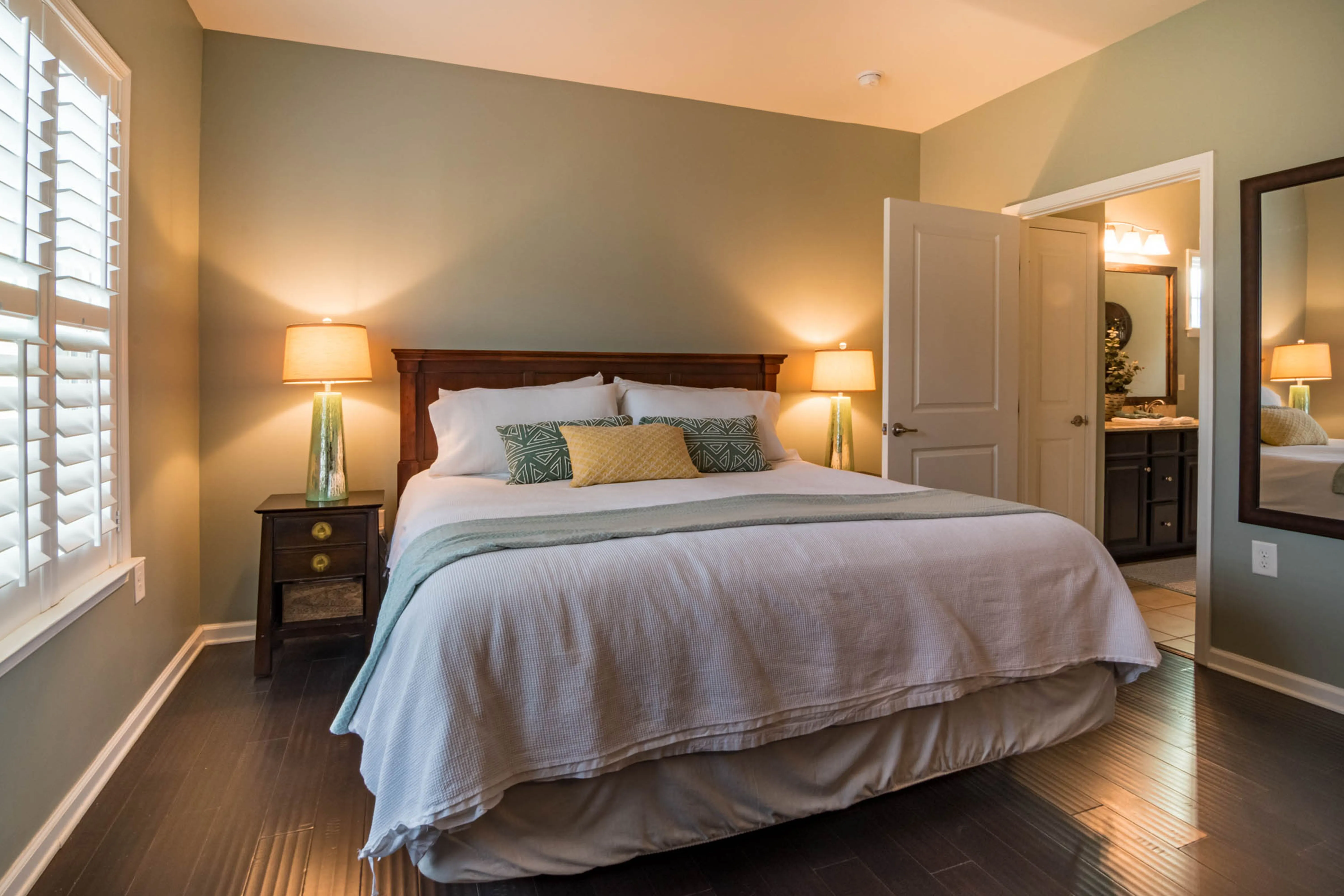
You go to bed on time, yet you toss and turn. You sleep enough hours, yet you wake up exhausted. You get up in the middle of the night, turn on the light, and suddenly you're wide awake — unable to fall back into deep sleep.
For many people, the root of these sleep problems lies in bedroom lighting. The human body uses light to determine whether it should be awake or asleep. The wrong lighting disrupts your biological clock and degrades your sleep quality. Today, let's talk about how light affects sleep — and what kind of light is better before bedtime.
🌙 01. The Key Sleep Hormone: Melatonin
Melatonin governs our sleep: the higher its secretion, the sleepier we feel; the lower it is, the more awake we become.
Light directly suppresses melatonin. During the day, bright light lowers melatonin levels, keeping us alert and energized. At night, as the environment darkens, melatonin rises, preparing the body for sleep.
If nighttime lighting is inappropriate, this sleep rhythm gets disrupted.
💡 02. Three Types of Light That Sabotage Sleep
1. High-Blue-Light Cool White Light
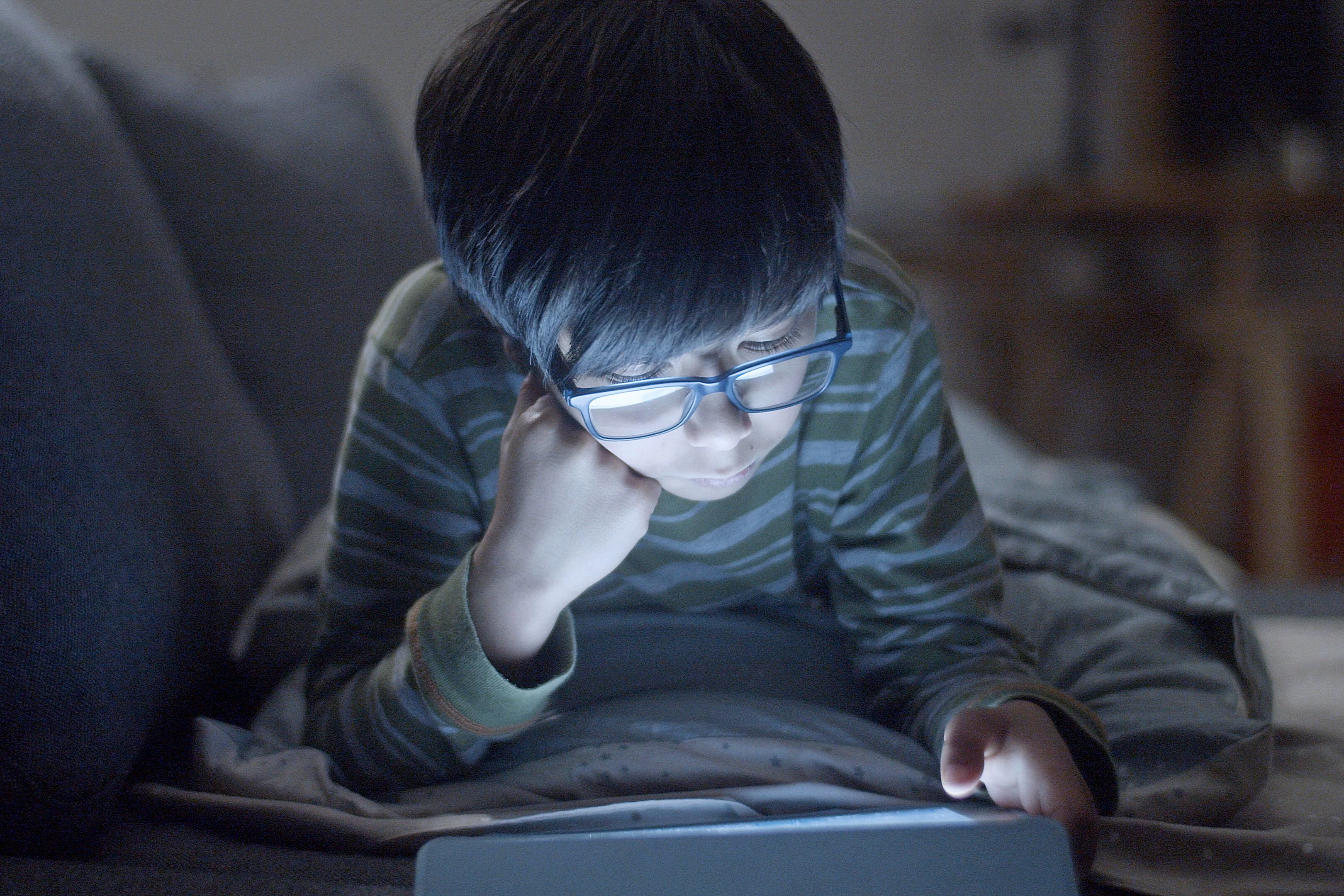
Standard cool white LEDs contain a high proportion of blue light. Exposure at night tricks the brain into thinking it's still daytime, suppressing melatonin and causing difficulty falling asleep, vivid dreams, and light sleep.
2. Harsh Direct Light
Overly bright bedroom lights or direct glare instantly tense up the nervous system, wiping out drowsiness and disrupting your sleep schedule.
3. Low-Quality Flickering Light
Invisible flicker causes continuous eye strain. Even after you turn off the lights, your nerves remain in a heightened state, leading to lighter sleep and waking up groggy and fatigued.
✨ 03. The Essentials of Sleep-Friendly Lighting
Good bedroom lighting doesn't need to be bright. The key points are: low blue light, no flicker, and soft illumination.
Low Blue Light: Reduces interference with melatonin, so turning on a light before bed or during nighttime awakenings won't disrupt your sleepiness
Soft Diffused Light: Gentle, non-glaring light that supports pre-sleep relaxation and nighttime navigation
No Flicker: Relieves eye tension, helps the body relax, and improves overall sleep quality
Good Sleep Needs Good Light
Sleep requires the right environment. The right lighting improves not just the atmosphere of a room, but the sleep experience of the entire family.
Seeing so many people struggle with sleep issues caused by lighting, our team has been asking one question: What kind of light is truly suitable for nighttime sleep?
With deep expertise in healthy lighting, we are developing a brand-new Sleep Ambience Lighting Series.
The products are still in the stage of fine-tuning spectrum and light-shadow effects. We're not rushing into mass production. Our goal is to create a sleep-supporting light environment that aligns with the human circadian rhythm — easing difficulty falling asleep, light sleep, and nighttime awakenings.
New Sleep Series — Coming Soon